Every Market Is Its Own Rubik’s Cube: Munir Haque Brings Practical Know-How

Every state approaches cannabis differently. Regulations change. Technology requirements shift. What works in one market may need to be rebuilt entirely in another.
As Cure8 President Munir Haque explained during his appearance on The Canna Connect Show, “Every market is its own Rubik’s Cube.”
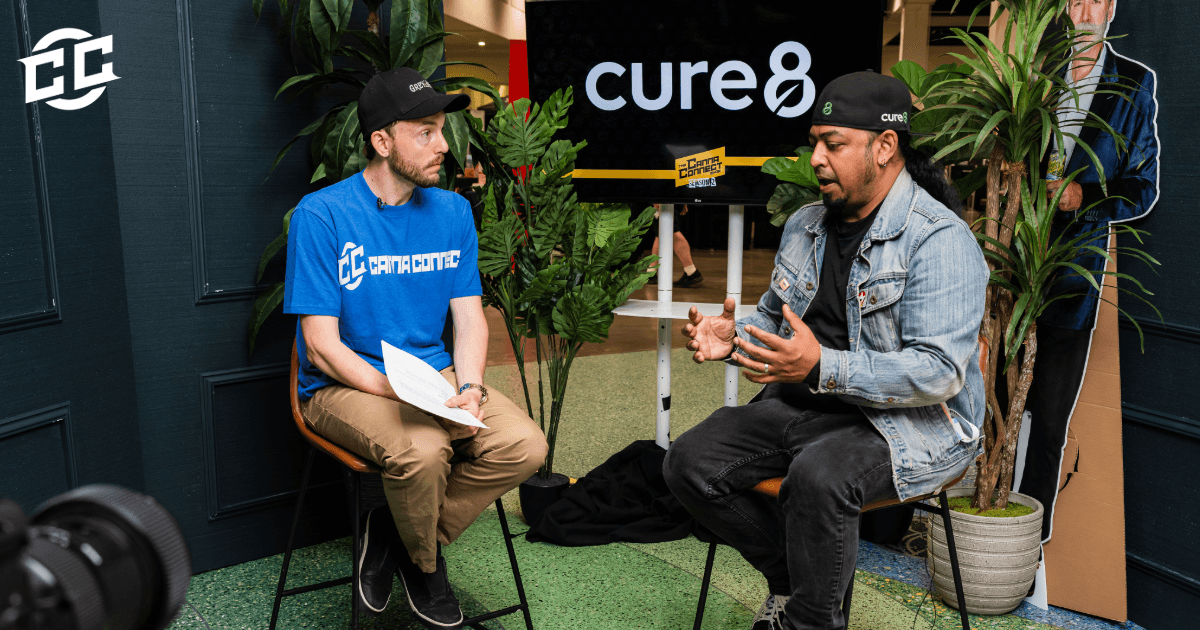
That idea guided a wide-ranging conversation recorded live at CannaCon Midwest 2026. Drawing on his experience supporting cannabis businesses across multiple states, Munir offered a practical look at the technology, security and planning decisions facing Minnesota operators. He also brought that experience to CannaCon’s Do’s and Don’ts of Starting a Cannabis Business in Minnesota panel conversation, where he translated complex requirements into useful advice for businesses preparing to open.
Minnesota cannot copy and paste another market
Munir has seen how quickly a regulatory change can force operators and service providers to rethink an entire project. Although states may follow a similar playbook, the details affect facility costs, technology choices and compliance responsibilities in very different ways.
For Minnesota operators, that means there is no reliable copy-and-paste solution. Every license type, location and business model requires its own plan.
It also means that the education surrounding Minnesota’s rollout matters. Munir emphasized that licensees need a clearer understanding of what security regulations actually require—and what those requirements will cost—before construction and purchasing decisions are finalized.
Camera resolution, data retention, storage capacity and battery backup may sound like technical details. In practice, they can represent a significant portion of a facility budget. The earlier operators understand those obligations, the better prepared they are to make smart decisions without sacrificing compliance.
Buy what you need now—and prepare for what comes next
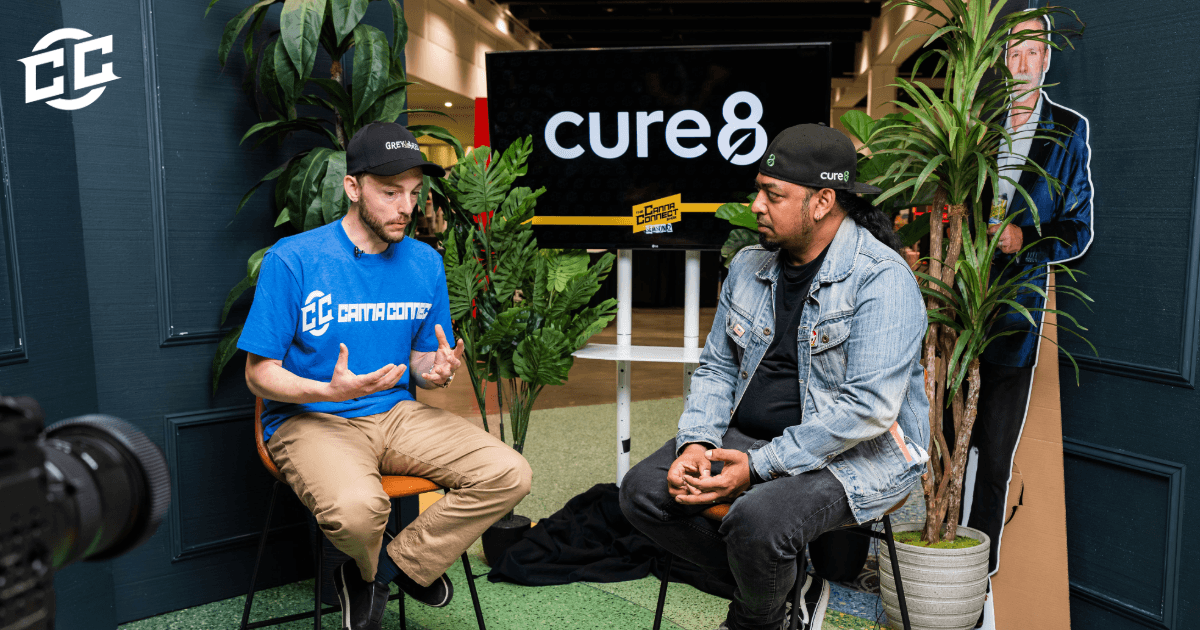
During the episode, Munir joined us for a round of “Tech I’d Buy, Tech I’d Skip,” looking at technology through the eyes of a Minnesota microbusiness operator.
His advice was grounded in prioritization. Security and environmental monitoring are immediate needs. RFID and inventory tools can help operators remain organized and compliant. More advanced cultivation automation, integrated dashboards and some software bundles may be better treated as later-stage investments.
The larger lesson was not to buy every available feature before opening day. Operators can phase technology purchases as revenue grows, but the facility should still be built with future needs in mind.
Running cable for seven point-of-sale stations while initially purchasing only three, for example, can preserve cash without forcing a business to tear into finished walls later.
That balance—spending carefully today while preparing for tomorrow—is one of the most useful takeaways from Munir’s appearance.
Cybersecurity begins with the network and the people using it

On the Do’s and Don’ts panel, Munir expanded the conversation beyond cameras and hardware. Cannabis businesses collect sensitive information, scan identification and depend on connected systems to manage sales, inventory and compliance. That makes cybersecurity an operational issue, not simply an IT concern.
Munir’s recommendation was straightforward: start with a secure network and route the technology inside the business through it.
Just as important, train the people using those systems. Locking a screen before walking away, recognizing a phishing attempt and carefully verifying an invoice request are simple habits that can prevent serious damage.
Security is not one purchase. It is a combination of infrastructure, operating procedures and continuing education.
The most expensive mistakes happen when teams stop communicating
Munir also offered a vivid warning about disconnected build-out teams: walls going up, coming down and going back up because cabling, electrical service or camera requirements were missed.
His advice to operators is to give someone responsibility for watching all the moving pieces. Whether that person is called a project manager or something less formal, the role matters. Architects, contractors, millwork teams, point-of-sale providers, security vendors and IT professionals need to communicate before permanent decisions are made.
Munir remains a believer in the all-hands meeting. Bringing every partner into the same conversation can uncover a problem early, when it is still inexpensive to solve. It can also help operators evaluate vendors, understand recurring costs and build a technology stack that fits the actual business.
Education is part of building a stronger market
What stood out across both conversations was Munir’s willingness to share what he has learned. He spoke candidly about uncertainty, the need to pivot and the value of learning alongside operators and other service providers.
He also made clear that this work is about more than selling cameras or technology.
Munir wants to build relationships, visit communities and help people find answers. He recognizes that education is especially important for small operators and social equity applicants, who may receive a license without receiving enough guidance about what comes next.
That commitment is exactly what Minnesota’s developing cannabis market needs.
Thank you to Munir Haque for showing up, sharing his experience and supporting Minnesota cannabis through education and practical know-how. We appreciate his contributions to The Canna Connect Show, the Do’s and Don’ts of Starting a Cannabis Business in Minnesota panel and the broader work of connecting this industry.
To stay connected to Minnesota cannabis news, conversations and events, subscribe to The Cannaverse by Canna Connect.